


Interstate Tax Compliance in the U.S.: Nexus and Tax Obligations
Subscribe to Hear From Upcoming Webinars
Meltem Cerci
Sr. Sales Associate
Tuana Bekiragaoglu
Senior Accounting Specialist
Overview on the Subject
As the new tax season approaches in the U.S., one of the most critical issues for businesses operating in — or planning to operate in — multiple states is interstate tax compliance (Nexus) and the resulting tax obligations. Failure to properly analyze nexus can lead to unexpected tax liabilities, penalties, and compliance risks.
In this free live webinar hosted by Manay CPA, we explore the concept of nexus for businesses operating across multiple states in the U.S. We explain what physical and economic nexus mean, in which situations tax obligations arise in different states, and how to manage these obligations effectively with clear examples. If you want to properly manage your tax risks, anticipate your state-level obligations, and stay compliant, this webinar is perfect for you.
Questions
What is nexus and how does it affect your interstate tax obligations?
Nexus refers to the connection or presence a business has in a state that triggers tax obligations. This includes physical nexus (having employees, offices, or inventory in a state) and economic nexus (exceeding revenue or transaction thresholds). Understanding these criteria and how they vary by state is essential for businesses operating across multiple jurisdictions in the U.S.
How do nexus risks differ by business type?
The impact of nexus varies significantly depending on your business model. E-commerce sellers, service providers, consultants, SaaS companies, and businesses with remote employees all face different nexus triggers and thresholds. Our experts break down how each business type is affected and what specific compliance steps you need to take to stay ahead of your obligations.
What are the most common compliance mistakes and how can you avoid them?
Many businesses unknowingly violate interstate tax laws, leading to penalties and back taxes. Common mistakes include ignoring economic nexus thresholds, failing to register in states where you have tax obligations, misclassifying income across jurisdictions, and overlooking sales tax collection requirements. In this session, our team shares practical strategies to identify and correct these issues before they become costly problems.
Latest Webinars
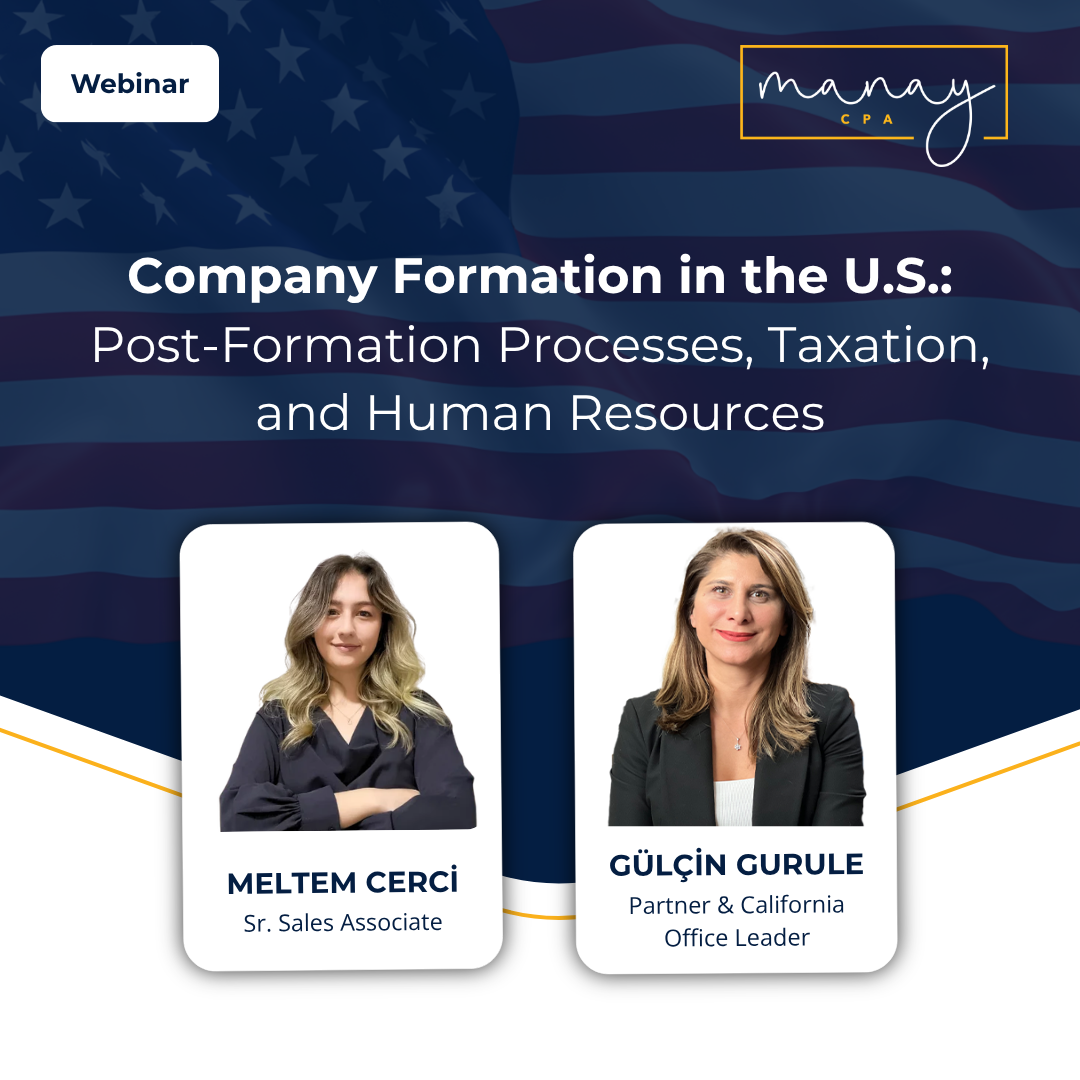
Company Formation in the U.S.: Post-Formation Processes, Taxation, and Human Resources Company Formation in the U.S.: Post-Formation Processes, Taxation, and Human Resources […]

Everything You Need to Know About U.S. Tax Filing Everything You Need to Know About U.S. Tax Filing Meltem Cerci Sr. Sales […]

Deadlines Approaching: Tax Season in the U.S. Deadlines Approaching: Tax Season in the U.S. Meltem Cerci Sr. Sales Associate Schedule a Meeting […]